Technology
Blacklisted Chinese University Bought Nvidia H200 Chips Despite U.S. Export Ban, Records Show
Northwestern Polytechnical University bought two Nvidia H200 AI chips for about $123,000 last month through a domestic supplier — and rented access to more — despite being on a U.S. trade blacklist since 2001.
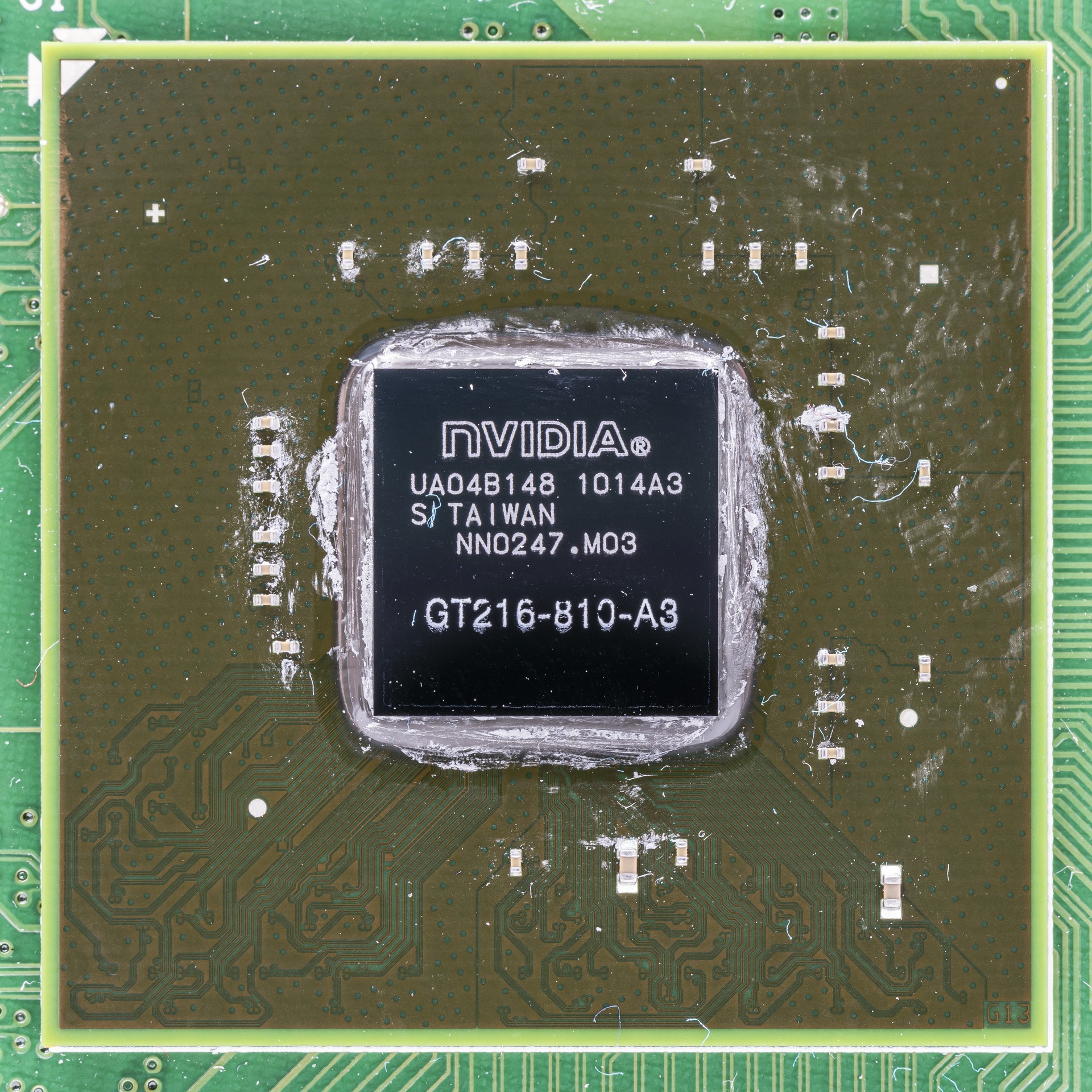
A Chinese university with deep ties to the People's Liberation Army bought Nvidia's powerful H200 AI chips last month despite being on a U.S. export blacklist, procurement records show, exposing gaps in Washington's efforts to curb China's access to advanced computing. Northwestern Polytechnical University bought two H200 chips for 874,700 yuan, about $123,000, according to an October 21 procurement record on its website.
The chips were bought for the university's management school from Shaanxi Bosuan Network Technology, a little-known domestic supplier, rather than directly from Nvidia, the record shows. The H200 is among Nvidia's most capable chips for training and running advanced AI systems and is subject to U.S. export license approvals, which are normally denied for blacklisted institutions such as Northwestern Polytechnical.
The university, based in Xi'an, is a member of China's “Seven Sons of National Defense” group of elite defense-focused universities and conducts research related to military aircraft, missiles and satellites. The U.S. Commerce Department added it to its trade blacklist, known as the Entity List, in 2001 over alleged involvement in missile-proliferation activities and military research, and tightened the restrictions in 2019, making licenses for exports of controlled U.S. technology subject to a policy of denial in most circumstances.
The outright purchase was not the university's only route to the chips. Procurement records show it also bought access this year to H200 chips and other powerful Nvidia AI processors through five contracts for rented computing capacity from Chinese companies. Its cybersecurity school awarded two seven-month contracts in January for access to servers containing eight H200 chips each, worth 441,700 yuan and 441,000 yuan, covering fine-tuning of AI models and reinforcement-learning training. It also rented access to servers containing eight Nvidia A100 chips and eight A800 chips, which are banned from export to all Chinese entities.
A Reuters review of 26 Chinese procurement and corporate records from this year found a wider pattern of universities and research institutions buying U.S.-restricted Nvidia chips or renting access to Nvidia-powered computing services through domestic suppliers. Shenzhen University bought three H100 processors, another high-end Nvidia AI chip banned by the U.S., for 769,800 yuan in September. Wuhan University of Technology bought a server containing an H100 chip for 355,000 yuan in June and four A100 chips in a separate 344,000 yuan purchase. Beihang University, another of the Seven Sons group, bought four A800 processors for 489,000 yuan in April.
Reuters said it could not determine where the chips came from and found no evidence that Nvidia knowingly supplied the university. Northwestern Polytechnical, Nvidia and the U.S. Commerce Department's Bureau of Industry and Security, which oversees export controls, did not respond to requests for comment. The records offered scant information about where the processors originated or where the rented servers operated.
The timing is awkward for Washington. The Trump administration began allowing some H200 exports to China on a case-by-case basis in January, but that policy did not lift the separate restrictions applying to Entity List organizations such as Northwestern Polytechnical. The January licensing rules also require safeguards to prevent blacklisted entities and military end-users from remotely accessing chips exported under the policy, which covers H200 processors and less advanced models.
The findings land as Chinese AI companies are scrambling to lock in computing power. Reuters reported on November 12 that Chinese firms are trying to rent Nvidia-powered capacity at data centers outside China, worried that a scandal involving Nvidia chief executive Jensen Huang could spur Washington to tighten restrictions on their remote use of advanced processors. The companies fear the controversy could add momentum to the Remote Access Security Act, a U.S. bill that would give the Commerce Department authority to regulate remote, cloud-based access to restricted technology. The House passed the bill in January by a 369-22 vote, and it awaits Senate action.
Huang said on Sunday that he had been unfaithful to his wife. The New York Times reported that the woman involved was Alice Huang, a former executive at Singapore-based cloud-computing company Megaspeed, and that U.S. authorities had concluded she was a Chinese intelligence asset. Reuters said it could not independently verify that allegation, which China has denied. Three Republican congressional committee chairmen have requested a briefing with Huang on November 18 over his reported contacts with the alleged operative, and U.S. prosecutors in March charged the co-founder of Super Micro Computer and two others with conspiring to divert servers containing Nvidia chips to China. The defendants have not been convicted.
Why it matters: This story matters because it shows the export-control regime leaking at both ends: chips are reaching a blacklisted military-linked university through domestic suppliers, and Chinese firms are renting the same computing power abroad through a gap the law never closed. The H200 purchases are small in dollar terms, but they are documented, on the record, and they involve the exact institution the Entity List was meant to wall off. The next test is political: whether the Huang scandal gives the Remote Access Security Act the Senate momentum it has lacked, and whether Washington can trace where these chips actually came from. Until then, the controls look porous — and Beijing's AI labs know it.
Reporting: Reuters · BusinessWorld
Spot an error? Orbit News corrects articles promptly and notes the correction in the article. See our Editorial Policy, or flag an error by messaging us on Facebook, X, or Instagram.
Related from Orbit News
AMD Ships 256-Core Zen 6 EPYC Chips as AI Agents Put the CPU Back in the Spotlight
Technology · Nov 12, 2026
Google's November Pixel Drop Brings Gemini Intelligence to the Pixel 10
Technology · Nov 12, 2026