U.S. News
Judge Approves Bayer's $7.25 Billion Roundup Settlement Covering Current and Future Cancer Claims
A Missouri judge gave final approval on Friday to a nationwide class settlement that could end nearly a decade of litigation over claims that Bayer's Roundup weedkiller causes non-Hodgkin lymphoma.
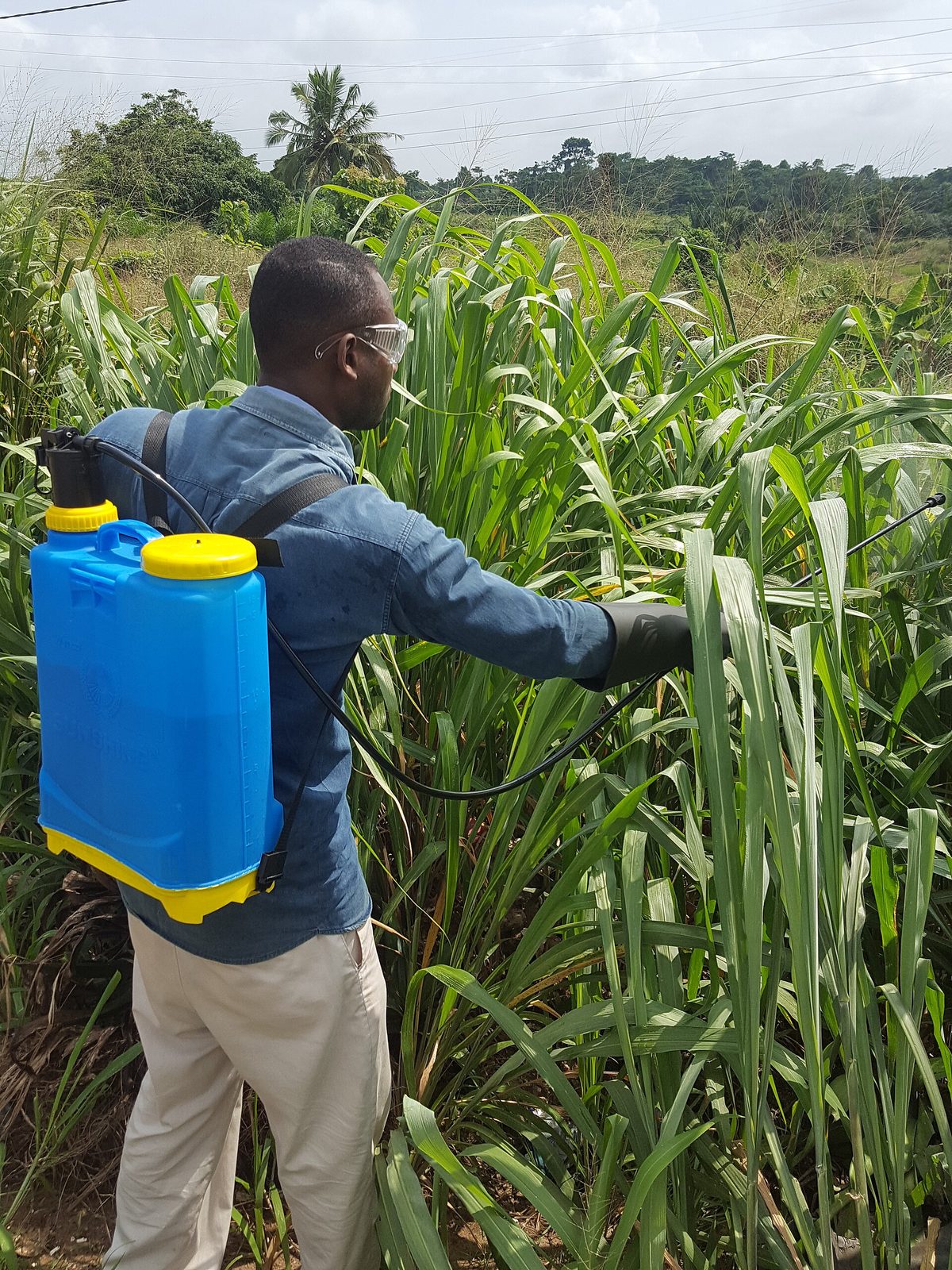
A Missouri judge on Friday approved Bayer's $7.25 billion settlement of lawsuits alleging that its weedkiller Roundup causes cancer, a decision that could ultimately resolve litigation that has weighed on the German company for close to a decade. St. Louis Circuit Judge Timothy Boyer granted final approval to the nationwide class settlement in a written judgment, finding the deal "fair and adequate" and the total dollar amount "among the largest in the history of mass tort personal-injury class action settlements."
Under the settlement, Bayer's Monsanto unit will make declining capped annual payments into a special fund for up to 21 years, totaling as much as $7.25 billion, including payments already made. The deal covers people who were exposed to Roundup before Feb. 17, 2026, and who have been diagnosed with non-Hodgkin lymphoma, a form of blood cancer, as well as people who receive such a diagnosis in the future. Individual payouts will average between $10,000 and $165,000, depending on how often and how long a person used the product, how old they were when diagnosed and the severity of their illness.
The settlement is structured in two parts. The first group covers people who were exposed to Roundup before Feb. 17, 2026, and already have a non-Hodgkin lymphoma diagnosis. The second covers people who receive a diagnosis before the end of a 16-year period following final approval of the agreement. The judge noted that subclass counsel negotiated $3 billion in funding in the first five years, with expedited payment options for certain current claimants, while the second group obtained long-term funding, bankruptcy protections, inflation adjustments and exit rights. The approved settlement also includes $600 million for attorneys' fees.
Bayer, which denies that Roundup causes cancer, welcomed the ruling as financial certainty after years of mounting legal costs. Bayer CEO Bill Anderson said in a statement that the court-approved settlement is "a decisive milestone in the company's strategy to mitigate the risks of both pending and future Roundup litigation." The company had previously set aside $16 billion to cover legal costs related to Roundup, and the new settlement is in addition to that reserve. Bayer has also said the litigation costs led it to consider pulling the product from U.S. agricultural markets, and it has already removed glyphosate from new versions of Roundup sold to residential users.
Judge Boyer said there was a risk Bayer would have filed for bankruptcy protection if the settlement had been rejected, and he found no evidence of collusion in the negotiations, despite objections from some lawyers for cancer patients. "Negotiations were extensive, hard-fought and at arm's length, with the negotiation of the settlement agreement taking more than 18 months," he wrote. The judge also pointed to the sheer scale of the litigation: more than 30,000 cases filed in Missouri courts alone, tens of thousands of claims pending around the country, and just over 200 plaintiffs with trial dates. "Given the enormous volume of claims, it is simply impossible for the vast majority of claimants to obtain a trial date in the foreseeable future," he wrote.
The approval follows a June ruling by the U.S. Supreme Court that undercut one of the central arguments in the Roundup lawsuits. In a 7-2 decision in the Durnell case, the court found that the Federal Insecticide, Fungicide, and Rodenticide Act preempts "failure-to-warn" cases brought in state court, meaning Bayer cannot be sued in state courts on claims it failed to warn about cancer because federal regulations do not require a cancer warning label. Judge Boyer cited that ruling in finding the settlement adequate, noting that failure-to-warn claims were the principal legal theory behind the litigation.
The lawsuits have produced mixed results over the years. About 200,000 Roundup-related claims have been made against Bayer, and only a couple of dozen cases have gone to juries, with some siding with Bayer and others with plaintiffs. In one case, a Georgia jury awarded plaintiffs $2.1 billion. But in the first Roundup verdict since the Supreme Court's Durnell decision, a Missouri jury in October sided with Bayer in a case alleging design defects, negligence and fraud, a result the company's lawyers said should send a strong signal to future claimants.
Not everyone involved is satisfied. Some attorneys for cancer patients contend the payouts are too small and the terms too restrictive. "This settlement is the scariest, worst future settlement that's ever been contemplated," attorney Gerson Smoger said during a September court hearing on whether the deal was fair, arguing that it locked in future claimants for decades with no chance at punitive damages while keeping the product on the market. Others argue the deal is better than nothing, a risk that grew after the Supreme Court ruling. "Today's final approval order delivers guaranteed compensation to Roundup cancer victims who have waited more than a decade for justice," said Christopher A. Seeger, a court-appointed counsel for cancer patients in the case.
The settlement was filed in St. Louis Circuit Court in Missouri, home to Bayer's North America crop science division and the state where many of the lawsuits have been brought. The court's final approval order is subject to appeal, and about 200 consolidated federal cases were excluded from the deal and remain in litigation. Roundup, which Monsanto debuted in 1974 with the chemical glyphosate as its active ingredient, became one of the most widely used herbicides in agriculture, and the question of whether glyphosate causes cancer remains in dispute: the World Health Organization's International Agency for Research on Cancer classified it as "probably carcinogenic" in 2015, while the U.S. Environmental Protection Agency has determined it is not likely to cause cancer in humans when used as directed.
Why it matters: This is the closest Bayer has come to closing the book on Roundup, a legal fight that has shadowed the company since it bought Monsanto for $63 billion in 2018 and has already cost it billions in verdicts and reserves. The settlement's real significance is its reach into the future: it does not just pay today's claimants, it sets the terms for people who may be diagnosed with lymphoma years from now, trading their right to sue for guaranteed, if modest, compensation. Whether that trade holds up on appeal, and whether $10,000 to $165,000 feels like justice to families who believe a weedkiller gave them cancer, will decide whether this is the end of the Roundup litigation or merely its latest chapter.
Reporting: Agri-Pulse · WDRB
Spot an error? Orbit News corrects articles promptly and notes the correction in the article. See our Editorial Policy, or flag an error by messaging us on Facebook, X, or Instagram.
Related from Orbit News

Indian Man Gets 19 Years and 7 Months for Plot to Kill Sikh Separatist Leader in New York
U.S. News · Nov 22, 2026
St. Johns River Smashes 73-Year Flood Record as Central Florida Braces for Weeks of High Water
U.S. News · Nov 22, 2026