Technology
Baidu Launches Apollo World AI Simulator for Robotaxis
The system can generate up to 100,000 km of simulated driving daily — equivalent to about three years of real-world testing by a safety-driver-equipped vehicle.
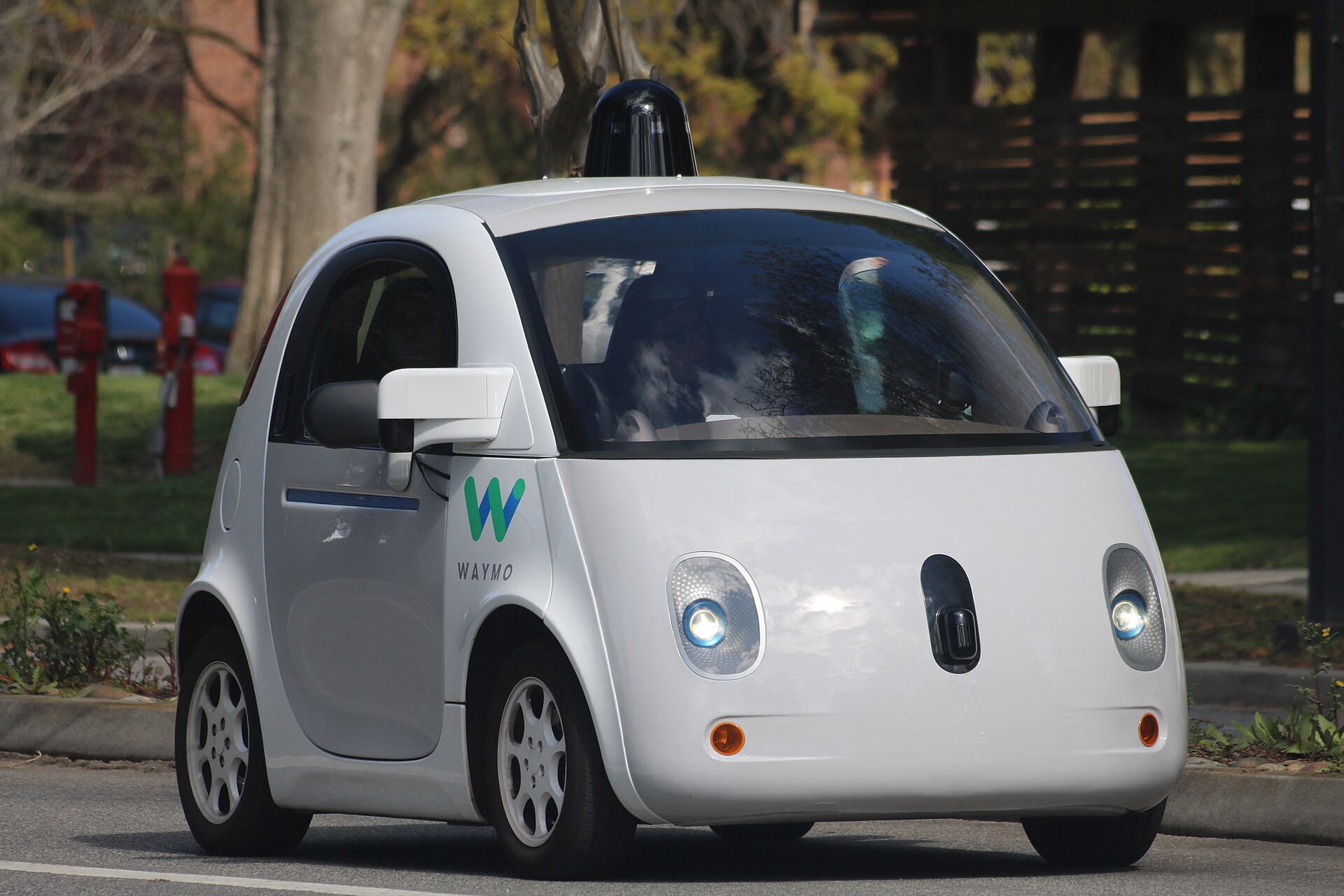
China's Baidu launched Apollo World on Tuesday, an AI system designed to simulate real-world environments for training robotaxis and predicting how they evolve. The system is already being used to train Apollo Go's robotaxi fleet.
Apollo World can generate up to 100,000 km (62,000 miles) of simulated driving daily, equivalent to about three years of real-world testing by a safety-driver-equipped autonomous vehicle, according to Baidu. It produces real-time multimodal data such as camera and lidar observations.
Simulation has become a central tool for autonomous-vehicle developers because rare, dangerous scenarios — a child darting into traffic, a sudden road closure — are hard to encounter safely in real driving. A simulator that can generate them on demand lets engineers test responses thousands of times before a car ever meets them on the road.
Baidu's Apollo Go is one of the world's largest robotaxi operations, and the company has been expanding its driverless services across Chinese cities. The launch signals that the competition is shifting from who has the most cars on the road to who can train them fastest.
Safety regulators in China and elsewhere are still writing the rules for large-scale driverless deployment. Baidu said Apollo World's simulated environments are meant to complement, not replace, real-world testing and regulatory approval.
Reporting: Reuters
Spot an error? Orbit News corrects articles promptly and notes the correction in the article. See our Editorial Policy, or flag an error by messaging us on Facebook, X, or Instagram.