Business
Asda Returns to Food Sales Growth as New Chief Potts Takes the Wheel
The supermarket group reported third-quarter revenue up 3.1 percent to £6.5 billion, with food sales back in growth, as former Morrisons boss David Potts takes over as chief executive.
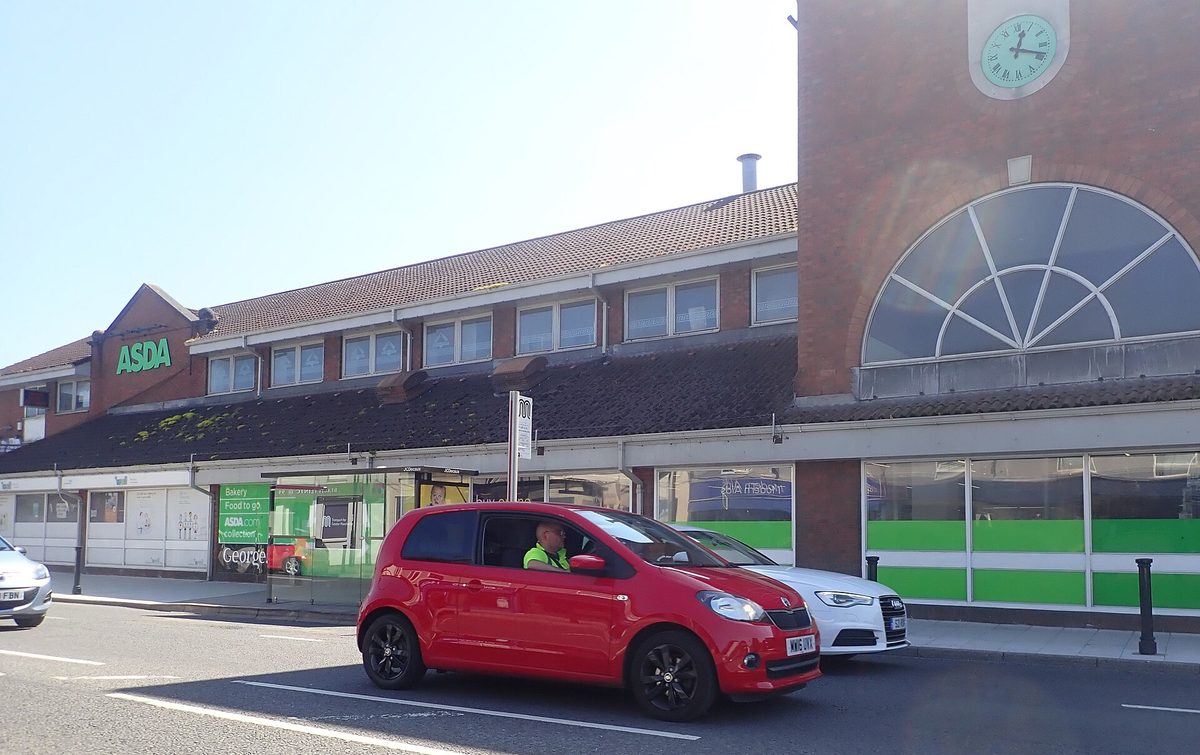
Asda returned to food sales growth in its third quarter as the supermarket group reported revenue up 3.1 percent to £6.5 billion, including fuel, in the 13 weeks to September 30. Like-for-like food sales rose 0.1 percent, the first increase in the measure for some time, while online grocery sales grew 6.9 percent on a like-for-like basis and the group's convenience arm, Asda Express, grew 2.7 percent. Group revenue rose 3.1 percent to £6.5 billion in the 13 weeks to September 30, with sales excluding fuel of £5.1 billion and like-for-like sales broadly flat overall, the company said.
The results arrive as a new chief executive takes the wheel. David Potts, the former Morrisons boss, was appointed chief executive this month, and his first message to the group's 1,100 store managers was to focus on "the things that matter most to customers." Potts has promised to reopen thousands more staffed checkouts, a reversal of the self-service push that frustrated shoppers, and to cut prices on more than 1,000 everyday products, holding those prices until Christmas. "Asda remains the lowest-priced full-range supermarket," the company said, pointing to nine wins in The Grocer's weekly price comparison since July and eight wins in the last nine months in Which?'s survey of the cheapest supermarket for branded groceries.
Online grocery was the standout performer in the quarter. Like-for-like online sales rose 6.9 percent, and the Asda Rewards loyalty scheme was linked to 74 percent of online orders, a sign that the programme is doing the job of keeping shoppers inside the Asda ecosystem. Asda Express, the convenience format, grew like-for-like sales by 2.7 percent, outperforming the wider convenience market, and the company plans to open 15 new Express stores next year. Fuel was cut by an average of 4p per litre this week, a move that supports the group's value positioning but squeezes margins in a business where fuel is already low-margin.
Chief financial officer Michael Gleeson said the quarter showed the strategy was working. "The work we've done through the period to deliver against our strategy was reflected in our third-quarter performance," he said. "Like-for-like food sales returned to growth in Q3, online sales grew strongly and group sales increased, despite the challenging economic backdrop."
Gleeson also pointed to the breadth of the business as a strength: "Asda's key strength is the breadth of our business, spanning food, clothing, fuel, pharmacy and other services." That breadth matters in a downturn, because shoppers who trade down on groceries may still buy clothing or use the pharmacy, keeping them in the store.
The backdrop, however, remains difficult. The Asda Income Tracker, the group's monthly measure of household spending power, found spending power at a six-month low, with the lowest-earning households on average £76 a week short of covering their essential bills. That is the customer Potts is inheriting: squeezed, price-sensitive, and quick to switch supermarkets for a few pence on a weekly shop. The price cuts on more than 1,000 products and the fuel reduction are aimed squarely at that shopper, and the nine Grocer 33 wins since July suggest the pricing message is landing, at least on the basket the comparison tracks.
Asda's return to food sales growth is modest — 0.1 percent is barely growth at all — but in a market where the big grocers have spent the year fighting over fractions of a point of share, it is a meaningful turn. A flat like-for-like performance overall, with food back in positive territory and online growing strongly, gives Potts a base to build on rather than a crisis to manage, and the Express rollout gives him a growth format that is already outperforming its market.
What happens next will depend on whether Potts can turn a pricing message into a sustained recovery. Reopening staffed checkouts costs money, cutting prices on 1,000 products costs margin, and the Christmas trading period will test whether shoppers reward the changes with their weekly shop. The third quarter shows the bleeding has stopped in food sales and that online and convenience are growing. The harder question, whether Asda can win back shoppers, will be answered in the tills over Christmas and into the new year.
Why it matters: Asda's return to food sales growth matters because it is the first sign that the supermarket's long slide may be turning, and it comes just as a new chief executive takes over with a mandate to fix the basics: price, checkouts and customer service. The 0.1 percent figure is small, but in a market where the big grocers fight over fractions of a point, it is a meaningful change of direction, and the strong online and convenience growth gives Potts two formats that are already working. The harder test is ahead: with the lowest-earning households £76 a week short of covering essentials, Asda's value positioning has to survive a Christmas trading period in which shoppers will punish any supermarket that gets price or availability wrong.
Reporting: The Retail Bulletin · The Grocer
Spot an error? Orbit News corrects articles promptly and notes the correction in the article. See our Editorial Policy, or flag an error by messaging us on Facebook, X, or Instagram.
Related from Orbit News

Bitcoin Crashes Below $70,000 and Sinks Toward $62,000 in Brutal Weekend Sell-Off
Business · Nov 15, 2026
10-Year Treasury Yield Jumps to 5.15% as Hot Inflation Locks In a December Fed Hike
Business · Nov 15, 2026