ISRAEL VOTES: Netanyahu's Survival on the Line in First Election Since Oct. 7
Israelis head to the polls in their first election since the Oct. 7, 2023 Hamas attacks, with no bloc holding a clear path to the 61 seats needed to govern.
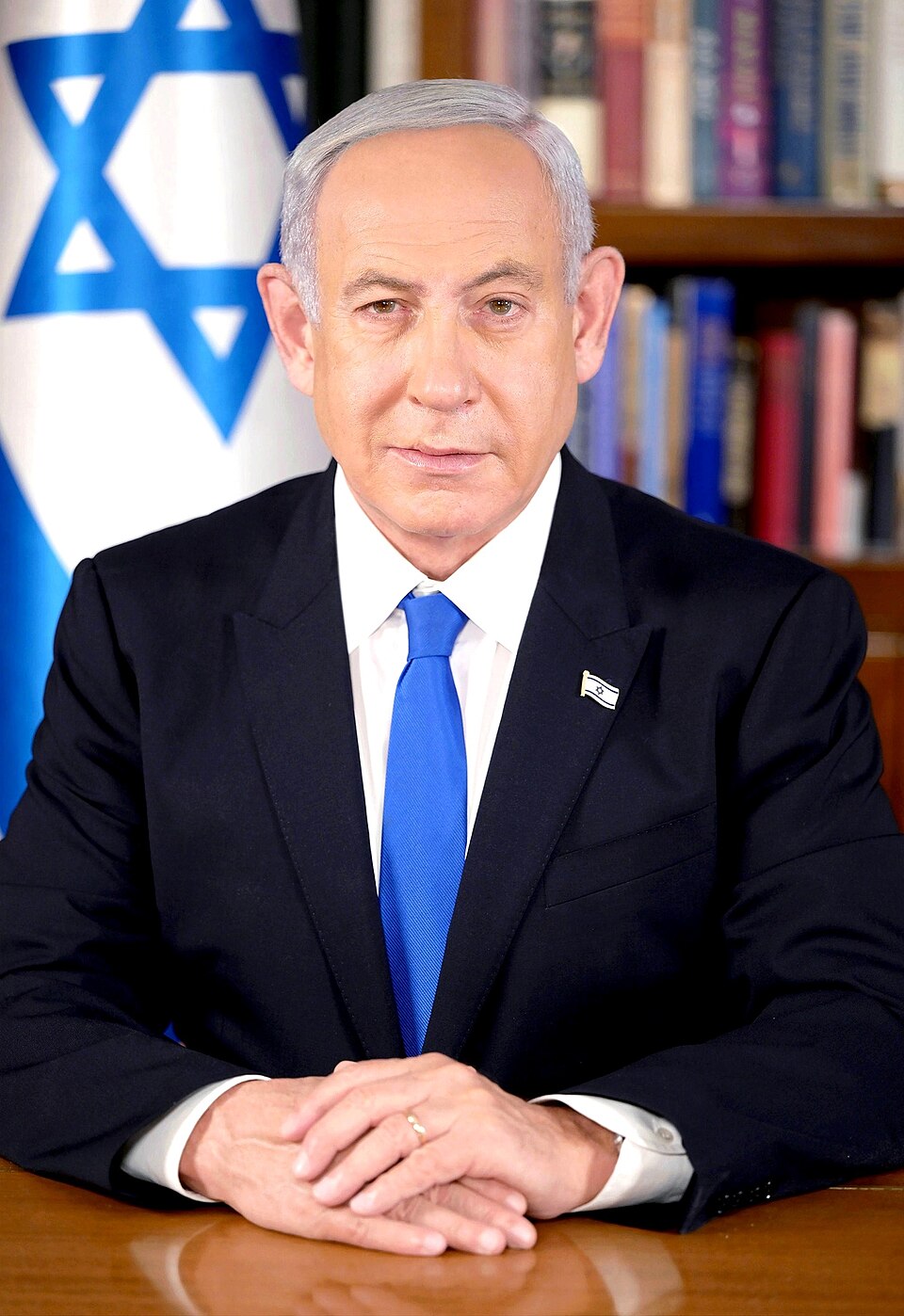
JERUSALEM — Israelis are voting Tuesday in their first national election since the Oct. 7, 2023 Hamas attacks, with Prime Minister Benjamin Netanyahu's political survival on the line.
Polls point to a tight race between Netanyahu's bloc and a rival alliance led by former military chief Gadi Eisenkot. Neither side has a clear path to the 61 seats needed to command a majority in the 120-seat Knesset, which means coalition talks after the vote could stretch for weeks.
The election is effectively a referendum on the last three years: the war in Gaza, the hostages, the economy, and the deep divisions the conflict exposed in Israeli society. It is also a personal test for Netanyahu, Israel's longest-serving prime minister, who has dominated the country's politics for most of the past three decades.
Eisenkot, a former chief of staff of the Israel Defense Forces, has pitched himself as a security-minded alternative — a general who can claim credibility on the war while promising a different style of leadership.
Turnout will be watched closely. In Israel's recent run of elections, high turnout has often favored one bloc over the other, and both camps spent the final days urging supporters to the polls.
Polls close at 10 p.m. Israel time. If neither bloc secures a majority, the president will tap a candidate to try to build a coalition — a process that has, in past cycles, taken weeks and sometimes failed entirely, forcing another election.
Whatever the result, this vote closes the chapter that began on Oct. 7 and opens whatever comes next.
The backdrop is a country still living with the consequences of Oct. 7. The attacks killed around 1,200 people in Israel and led to the war in Gaza, which has reshaped the region and dominated Israeli politics ever since. Hostage families, reservists, and displaced residents from the north and south are all voting with those experiences fresh.
Coalition math is where Israeli elections are usually won or lost. With a dozen parties expected to clear the threshold, the real contest often begins after the votes are counted, when the largest party tries to assemble 61 seats from a fractured Knesset.
Reporting: Reuters
← Back to Orbit News Network