50,800 DEATHS A YEAR: CDC Warns Drug-Resistant Germs Are a Growing Crisis
The CDC’s new 2026 report estimates drug-resistant germs cause 9.7 million infections and about 50,800 deaths in the United States each year. Four germs are now rated “urgent” threats.
The Centers for Disease Control and Prevention has issued a stark warning in its new 2026 report: drug-resistant germs are causing an estimated 9.7 million infections and about 50,800 deaths in the United States each year.
Four germs are now rated “urgent” threats by the CDC: Candida auris, carbapenem-resistant Acinetobacter, carbapenem-resistant Enterobacterales, and drug-resistant gonorrhea. The “urgent” label is reserved for germs that pose the most serious danger because infections are difficult or impossible to treat with standard drugs.
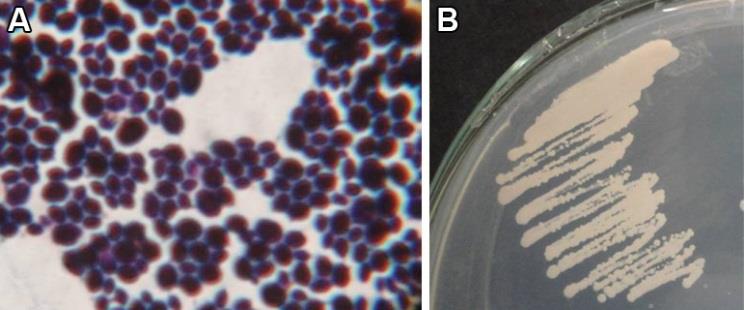
Candida auris, a fungus that spreads in health care settings and resists many antifungal treatments, stands out in the report. Cases have surged roughly tenfold since 2019, according to the CDC figures.
“Antimicrobial resistance threatens modern medicine,” CDC Director Dr. Erica Schwartz said, in a warning that frames the issue as larger than any single germ.
The stakes behind that warning are plain. Modern medicine depends on antibiotics and antifungals working: surgeries, cancer treatment, organ transplants, and routine hospital care all become far riskier when the drugs that fight infection stop working.
The report puts a national scale on a problem hospitals have been tracking patient by patient. Nearly 10 million infections a year means drug resistance is no longer a rare complication — it is a routine feature of American health care, and a growing one.
Health officials say the response runs through hospitals, laboratories, and prescribing practices: catching resistant infections early, isolating them before they spread, and keeping the drugs that still work effective for as long as possible.
Reporting: Becker's Hospital Review
← Back to Orbit News Network